Rotor Replacement: Get Your Hands Dirty (Safely!)

.svg)


Why Your Brake Rotors are Critical for Safety

Disc rotor replacement is a critical maintenance task. Your brake rotors and pads work together to stop your car; when you brake, the pads squeeze the rotor to create friction and slow your wheels.
Quick Answer: When to Replace Your Brake Rotors
Replace your brake rotors immediately if you notice:
- Thickness below minimum spec - If less than 1mm of material remains or the difference between unused and used sections is 0.2-0.5mm
- Visible damage - Cracks, deep grooves, or heavy rust on the braking surface
- Warping symptoms - Steering wheel vibration or brake pedal pulsation when stopping
- Performance issues - Squealing sounds, longer stopping distances, or pulling to one side
- Safety concerns - Your mechanic's recommendation or ABS warning light activation
Worn rotors are a serious safety risk. They increase stopping distances, reduce braking performance, and can damage other brake components. For safety, always replace rotors in pairs on the same axle. Uneven rotor thickness can cause your vehicle to pull dangerously to one side during braking.
The good news is that changing your own pads and rotors is a straightforward DIY project that can save you money. It's an achievable weekend task for moderately skilled home mechanics.
However, luxury vehicles like Porsche, BMW, and Mercedes-Benz have complex systems, including electronic parking brakes, that require specialized knowledge. For high-performance car owners in the Huntington Beach area, certified technicians can ensure the job is done right.
The Complete Guide to Disc Rotor Replacement
When is a Disc Rotor Replacement Necessary?
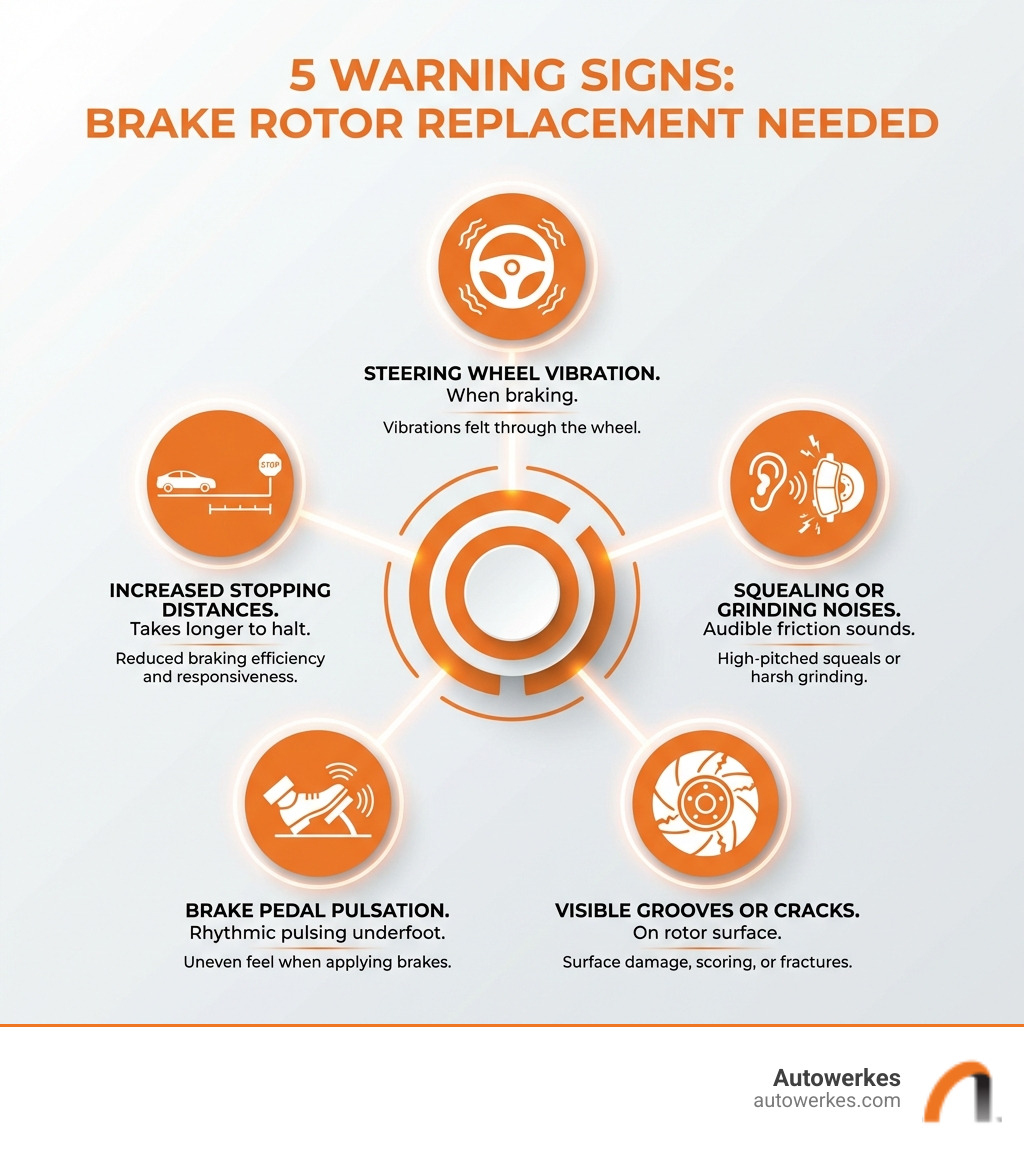
Knowing when to replace your brake rotors is crucial for your vehicle's safety. Here are the key warning signs:
- Squealing, Grinding, or Banging Sounds: While squealing can mean worn pads, grinding or banging noises often signal severely damaged rotors. This occurs when pads are worn down to the metal, grinding directly against the rotor.
- Vibration or Pulsation: A vibrating steering wheel or pulsating brake pedal when braking points to "warped" rotors. This is caused by uneven rotor surfaces (Disc Thickness Variation or DTV) from excessive heat, creating an unsettling vibration.
- Visible Damage: Deep grooves, cracks, heavy rust, or a blueish tint on the rotor are clear red flags. Blue discoloration indicates severe overheating that compromises the rotor's integrity.
- Increased Stopping Distances: If your car takes longer to stop, your braking system is failing. Worn rotors can't dissipate heat or provide friction effectively, increasing stopping distances and risk.
- A "Lip" on the Rotor's Edge: A significant ridge or "lip" on the outer edge of the rotor indicates the braking surface has worn down and needs replacement.
The Critical Role of Rotor Thickness
Rotor thickness is a critical safety measure. Rotors wear thin over time, and each has a minimum thickness specification engraved on it. A rotor below this minimum must be replaced. Thinner rotors can't dissipate heat effectively, leading to overheating, cracking, and potential brake failure. As research confirms, "excessively thin rotors compromise braking performance and safety."
Resurfacing vs. Replacement
Resurfacing (or "turning") rotors removes a thin layer to smooth the surface. However, this isn't always a good solution, as it thins the rotor. If a rotor is already near its minimum thickness, resurfacing makes it unsafe. For luxury vehicles like a Porsche or BMW, we always recommend a full disc rotor replacement to guarantee performance and safety.
How Often Should You Check Your Rotors?
Inspect your brake rotors every 10,000 miles or with every brake pad change. For our clients in Huntington Beach, Newport Beach, and nearby areas, we recommend annual brake service. Regular checks prevent minor issues from becoming serious safety hazards.
Common Causes of Brake Rotor Wear
- Driving Style & Environment: Aggressive driving, hard braking, towing, and heavy stop-and-go traffic accelerate rotor wear.
- Vehicle Weight & Axle Position: Heavier vehicles cause more brake stress. Front rotors wear faster as they handle most of the braking force.
- Brake Pad Quality: Low-quality or poorly installed pads can damage rotors and cause premature failure.
- Rotor Quality: The rotor's material, design (especially heat dissipation), and manufacturing quality affect its lifespan.
Risks of Neglecting Worn Rotors
Delaying rotor replacement is risky and costly. You face longer stopping distances and potential brake failure. Worn rotors can also damage new brake pads and calipers, turning a simple disc rotor replacement into a major brake system overhaul.
Choosing the Right Rotors for Your Vehicle
Selecting the correct rotors depends on your vehicle and driving style, a critical choice for performance car owners in Irvine and Laguna Beach.
- OEM (Original Equipment Manufacturer) Rotors: Identical to factory-installed parts, OEM rotors are designed for your car's specific standards. They are ideal for luxury brands like BMW and Porsche to ensure perfect fitment and original performance.
- Aftermarket Rotors: Made by third-party companies, these can offer cost savings or improved performance. For high-performance cars, choose reputable brands that meet or exceed OEM specs.
Types of Brake Rotors:
- Solid Rotors: Simple metal discs, usually on rear brakes of lighter or older cars. They offer limited heat dissipation.
- Vented Rotors: Common on modern cars, these have vanes between two surfaces to dissipate heat effectively, preventing brake fade.
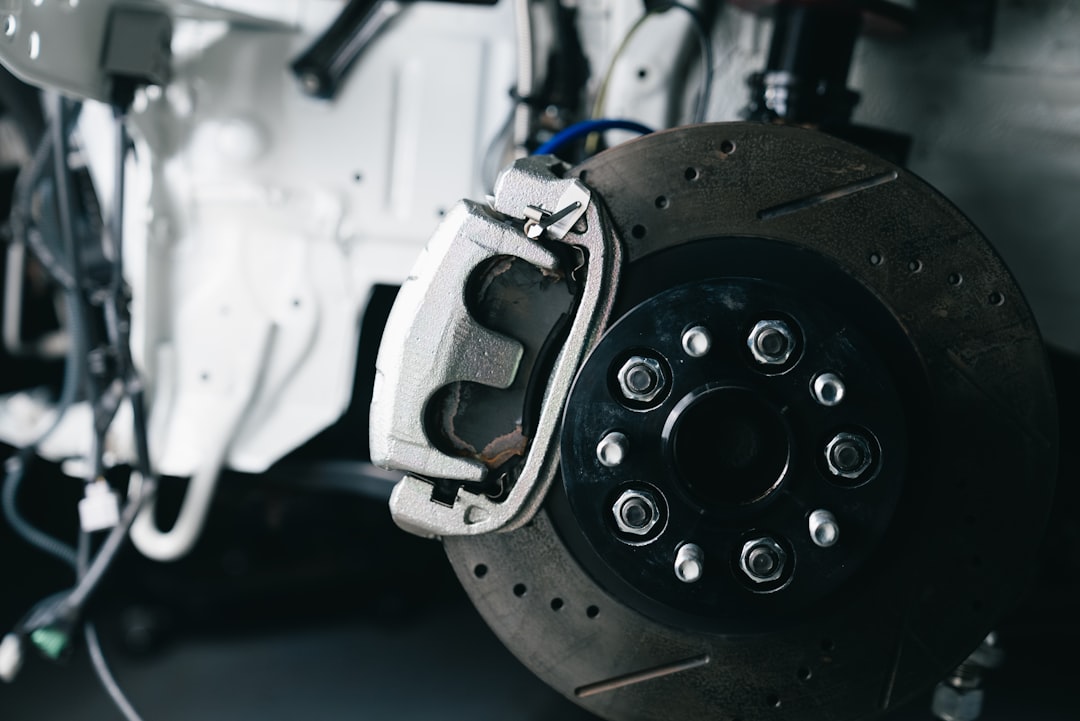
- Drilled Rotors: Holes drilled through the surface improve heat dissipation and clear away gas and dust. They can be more prone to cracking under extreme stress.
- Slotted Rotors: Grooves cut into the surface wipe away gas, water, and dust. This improves brake bite and wet-weather performance.
- Drilled & Slotted Rotors: Combining both designs, these offer superior heat dissipation and an aggressive bite. They are a popular upgrade for performance driving in a Porsche or BMW. Learn more on our Performance Repair page.
When choosing, consider your vehicle, driving style (daily commuting vs. performance), and environment. The table below offers a quick comparison:
| Rotor Type | Heat Dissipation | Lifespan (General) | Cost (Relative) | Best For |
|---|---|---|---|---|
| Solid | Low | Moderate | Low | Rear brakes on lighter cars, older models, very light duty. |
| Vented | Good | Good | Moderate | Most modern vehicles, daily driving, general use. |
| Drilled | Very Good | Moderate (can crack) | Moderate-High | Performance vehicles, aesthetic appeal, reduced initial fade. |
| Slotted | Good | Moderate-Good | Moderate-High | Performance vehicles, wet weather, consistent bite, heavy braking. |
| Drilled & Slotted | Excellent | Moderate-Good | High | High-performance luxury vehicles, spirited driving, track use, aesthetics. |
Step-by-Step: How to Perform a Disc Rotor Replacement
This general guide outlines a disc rotor replacement. Always consult your vehicle's specific repair manual for torque specs and detailed instructions.

Tools and Materials You'll Need:
- Hydraulic Jack & Jack Stands
- Wheel Chocks
- Lug Wrench & Torque Wrench
- Socket Set
- C-Clamp or Caliper Piston Compressor
- Wire Brush & Brake Cleaner
- High-Temperature Brake Lubricant
- New Brake Rotors & Pads
- Safety Glasses & Gloves
- Wire or Bungee Cord
1. Safety First! Park on a flat surface, engage the parking brake, and chock the wheels remaining on the ground. Loosen the lug nuts before jacking up the car.
2. Raise and Secure the Vehicle. Jack up the car, place jack stands under the frame for support, and then lower the car onto them. Never work under a car held only by a jack. Remove the lug nuts and the wheel.
3. Remove the Caliper and Bracket. Remove the two guide pin bolts and slide the caliper off the rotor. Do not let it hang by the brake hose—support it with a wire or bungee cord. Then, remove the two larger bolts holding the caliper mounting bracket and set it aside.
4. Remove the Old Rotor. The rotor should now slide off the wheel studs. If it's stuck, remove any retaining screws and tap the rotor hat (not the braking surface) with a mallet to loosen it.
5. Clean the Hub Surface. This step is critical. Use a wire brush and brake cleaner to remove all rust and debris from the hub where the new rotor will mount. A clean surface prevents pulsation; even "rust as thin as a sheet of paper on the rotor mounting surface can cause pedal pulsation."
6. Clean the New Rotors. New rotors have a protective oil coating that must be removed. Spray both sides with brake cleaner and wipe clean. Handle them by the edges to avoid contaminating the surface.
7. Install the New Rotor. Slide the new rotor onto the wheel studs, ensuring it sits flush against the clean hub. Reinstall any retaining screws. Always replace rotors in pairs on the same axle for even braking. For a visual guide, check out An Expert-Approved Guide to Replacing Brake Rotors Like a Pro.
Final Steps: Reassembly and Bedding-In
With the new rotors on, it's time to reassemble the system.
1. Reinstall the Caliper Bracket. Bolt the caliper mounting bracket back into place and use a torque wrench to tighten the bolts to the manufacturer's specification.
2. Install New Brake Pads. Always install new pads with new rotors. Clean or replace the bracket hardware, then apply a thin layer of brake lubricant to the pad contact points and backing plates (never the friction material). Install the new pads.
3. Compress the Caliper Piston. Use a C-clamp or caliper tool to push the piston back into the caliper body to make room for the new pads. Check the brake fluid reservoir first to prevent overflow. Some rear pistons need to be screwed in, not pushed.
4. Reinstall the Caliper. Slide the caliper over the new pads and rotor. Reinstall and torque the guide pin bolts to spec.
5. Pump the Brakes and Check Fluid. Get in the car and pump the brake pedal until it feels firm. This seats the new pads. Check the brake fluid reservoir and top it off to the "max fill" line if needed.
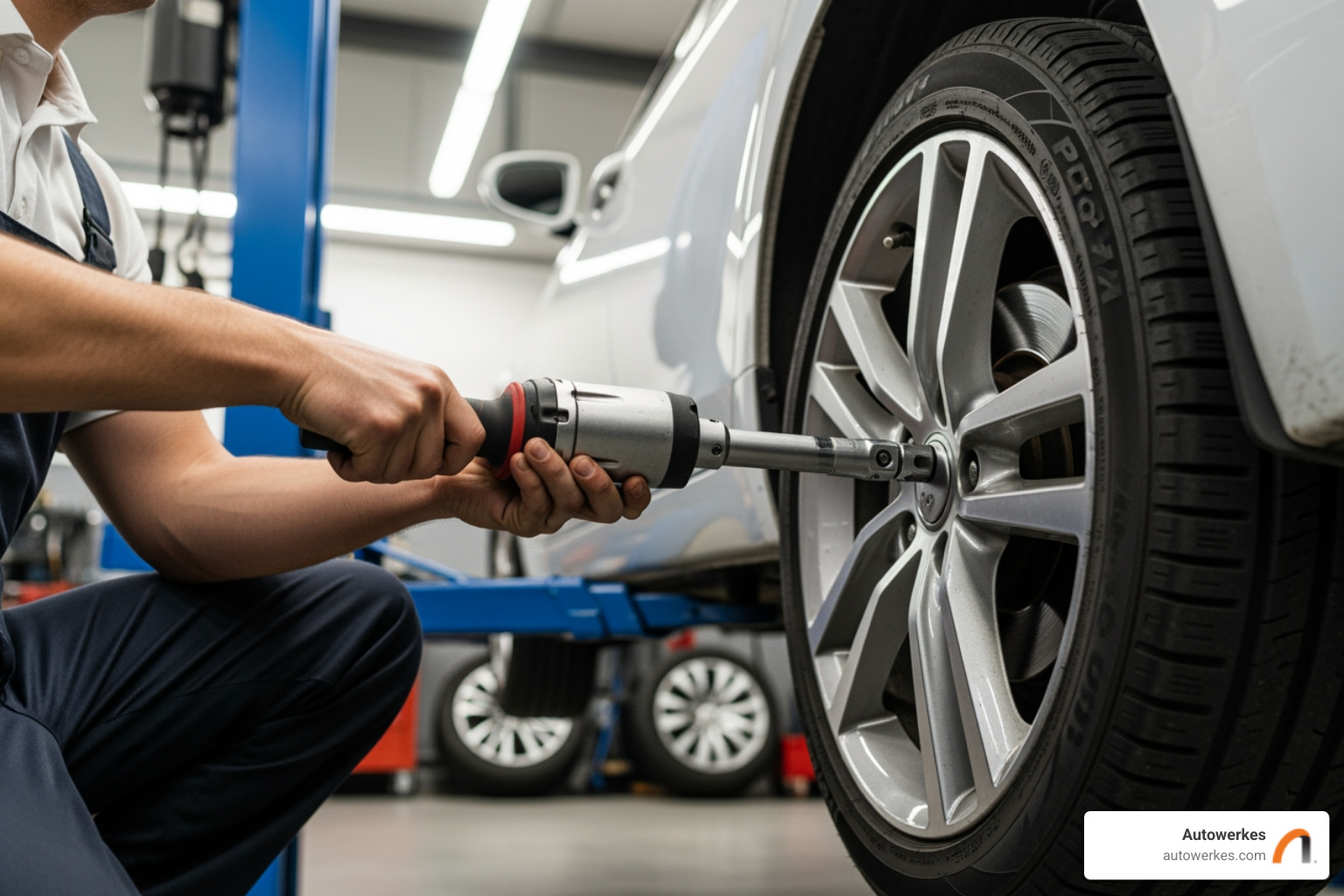
6. Reinstall the Wheel. Put the wheel back on and hand-tighten the lug nuts. Lower the car, then use a torque wrench to tighten the lug nuts to the specified torque and pattern.
7. Bed-In the New Brakes. This crucial final step ensures optimal performance by transferring an even layer of pad material to the rotor. In a safe area:
- Accelerate to ~50 mph and apply firm, steady braking to slow to ~10 mph. Do not stop completely.
- Repeat this 5-10 times. A slight burning smell is normal.
- After the last repetition, drive for several minutes with minimal braking to let them cool completely.
- Follow the manufacturer's instructions, as some may recommend a second cycle.
This process conditions your new brakes, making them ready for your drives around Fountain Valley and Manhattan Beach.
When to Call the Professionals for Your Luxury Car
While a DIY disc rotor replacement is rewarding, it's not always the best choice for high-performance luxury vehicles. For owners of BMW, Mercedes-Benz, Porsche, and Mini, professional service is often a necessity.
The Complexity of Luxury Vehicle Braking Systems:
Modern luxury cars feature advanced technologies that make DIY repairs risky:
- Electronic Parking Brakes (EPB): These require special tools to retract the caliper pistons. Forcing them manually can damage expensive electronic components.
- Integrated Sensors: Many luxury car rotors have integrated ABS and traction control sensors. Damaging them can compromise safety systems and trigger warning lights.
- Precise Torque Specifications: Luxury cars have exact torque specs for every bolt. Using the correct values is critical for safety and performance.
- High-Performance Components: The advanced materials in a Porsche or Mercedes-AMG's brakes require specific installation procedures.
- Advanced Diagnostics: Complex issues like persistent ABS warnings require professional diagnostic tools to find the root cause.
The Value of Expert Service at Autowerkes:
For our clients in Huntington Beach, Newport Beach, and surrounding areas, the peace of mind from professional service is invaluable. At Autowerkes, our certified technicians specialize in luxury European brands. We understand the nuances of your BMW, Mercedes-Benz, or Porsche, from brake-by-wire systems to advanced traction control.
Using high-quality parts and state-of-the-art equipment, we handle everything from inspections to a full disc rotor replacement, ensuring every component is installed to factory specifications for optimal performance and safety.
Choosing a professional service for your luxury vehicle means:
- Expertise: Technicians trained specifically on your vehicle's brand.
- Correct Parts: Access to genuine OEM parts or high-quality, approved aftermarket alternatives.
- Specialized Tools: The right tools for electronic systems and precise measurements.
- Warranty: Assurance that the work is performed correctly and backed by a guarantee.
- Safety: Knowing your vehicle's most critical safety system is in expert hands.
For specific information on brake repair for your BMW, visit our dedicated page: BMW Brake Repair. Similarly, for Mercedes-Benz brake services, you can find details here: Mercedes-Benz Brake Repair.
If you're in Huntington Beach, or any of our service areas including Newport Beach, Fountain Valley, Palos Verdes, Manhattan Beach, Los Angeles, Irvine, Mission Viejo, Laguna Beach, or San Diego, and prefer an expert touch for your luxury car's brake needs, schedule your service appointment with us today. We're here to ensure your vehicle stops as safely and efficiently as it drives.

